Politics
Unrest in Bangladesh Continues, But Leaders Credit India for Diplomatic Stability

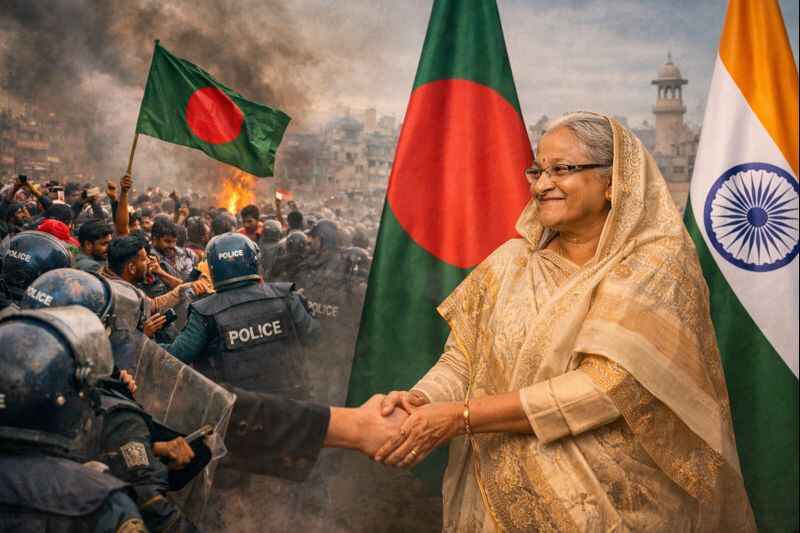
Political tensions in Bangladesh continue to dominate the regional discourse as the nation navigates protests, political confrontations, and uncertainty about stability. Amid this ongoing unrest, several influential leaders and policymakers in Bangladesh have publicly acknowledged India’s role and expressed appreciation for New Delhi’s diplomatic support and constructive engagement during this sensitive phase.
As demonstrations, clashes, and governance challenges create pressure on the political framework, India has maintained a careful balance — avoiding overt interference while extending strategic backing, communication channels, and cooperation where needed. This steady approach has helped maintain regional stability and reassured stakeholders within Bangladesh that dialogue and institutional order remain a priority.
Leaders in Bangladesh have highlighted India’s consistent partnership over the years, especially in matters of security, trade, humanitarian coordination, and crisis management. At a time when internal disagreements and power struggles risk deepening divisions, India’s supportive stance is being viewed not just as a diplomatic gesture, but as a reflection of the long-standing relationship between the two nations.
Observers believe that India’s involvement could play a vital role in preventing further escalation while encouraging political maturity and constructive resolution within Bangladesh. With tensions still evolving, the acknowledgment from Bangladeshi leadership underscores how crucial trusted regional allies become during moments of political turbulence.
If the unrest persists, cooperation, communication, and measured diplomatic support will likely shape the path ahead — and India, clearly, remains an important anchor in that journey.

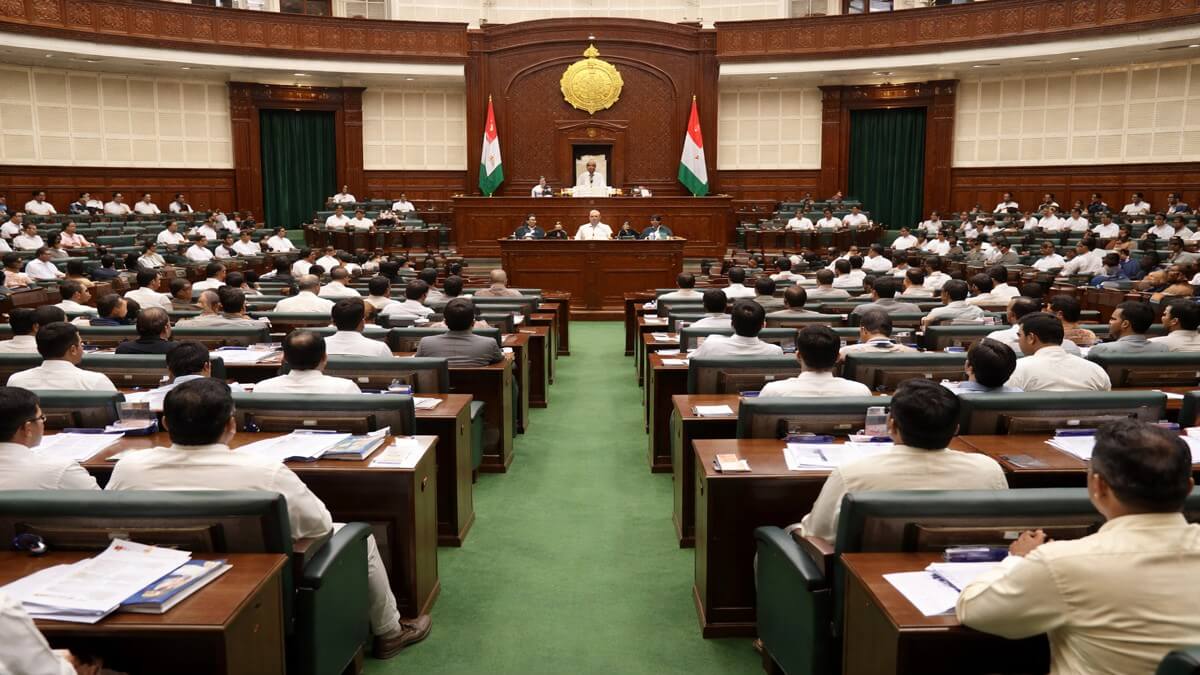
Criticism of the Union Budget 2026–27 has resurfaced in Telangana, with state leaders arguing that key projects worth ₹1.63 lakh crore have not received adequate allocation from the Centre. The debate has gained momentum in political circles, with opposition and ruling representatives trading charges over the distribution of funds.
According to state leaders, several pending infrastructure and development proposals — including irrigation, transport connectivity, and industrial expansion projects — were either underfunded or not explicitly mentioned in the budget documents. Critics claim this reflects a pattern of insufficient financial support for Telangana’s long-term growth priorities.
Leaders aligned with the state government have stated that despite Telangana’s contribution to national revenue, expected allocations for major initiatives were not reflected proportionately in the budget. They argue that strategic investments in infrastructure and regional development are necessary to sustain economic momentum.
On the other hand, representatives from the Centre maintain that allocations are made based on national priorities, project readiness, and fiscal considerations. They emphasise that several ongoing schemes continue to benefit Telangana under centrally sponsored programmes.
The issue is likely to remain politically sensitive as discussions continue in the Assembly and public forums. Observers note that budget interpretation often varies across states, particularly when large-scale infrastructure demands are involved.
Further clarity is expected as detailed departmental fund releases and project approvals are reviewed in the coming months.
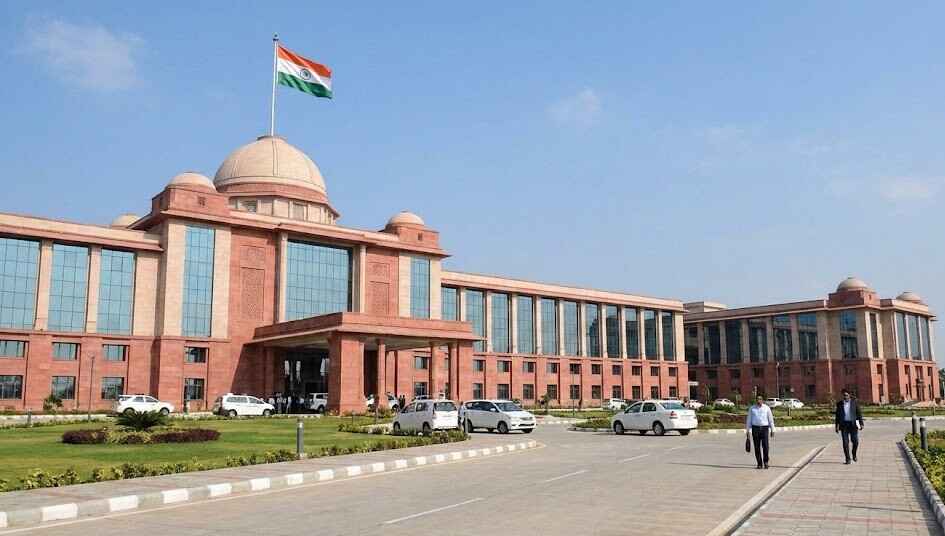
The Telangana government has announced plans to reorganise districts and mandals in the state to correct administrative imbalances and address issues arising from previous restructuring exercises. Revenue Minister Ponguleti Srinivas Reddy said the move aims to create a more rational, inclusive, and efficient administrative framework.
Speaking on the proposal, the minister noted that certain districts and mandals currently face challenges related to uneven population distribution, geographical constraints, accessibility issues, and administrative inefficiencies. The planned reorganisation is intended to improve governance delivery, reduce public inconvenience, and ensure better coordination at the local level.
Officials indicated that the government will review existing boundaries, population data, and service delivery metrics before finalising any changes. Public feedback, administrative feasibility, and impact on local governance structures are expected to be key considerations during the process.
The minister emphasised that the exercise is not aimed at political restructuring but at improving administrative efficiency and correcting past errors that emerged after earlier district and mandal formations. The government is expected to hold consultations with district collectors, local representatives, and other stakeholders before taking final decisions.
If implemented, the reorganisation could lead to changes in district boundaries, the creation of new mandals, or the merging of existing ones, with the objective of strengthening grassroots governance and improving access to public services.
Further details on timelines and the scope of the restructuring are expected to be announced after preliminary assessments and consultations are completed.
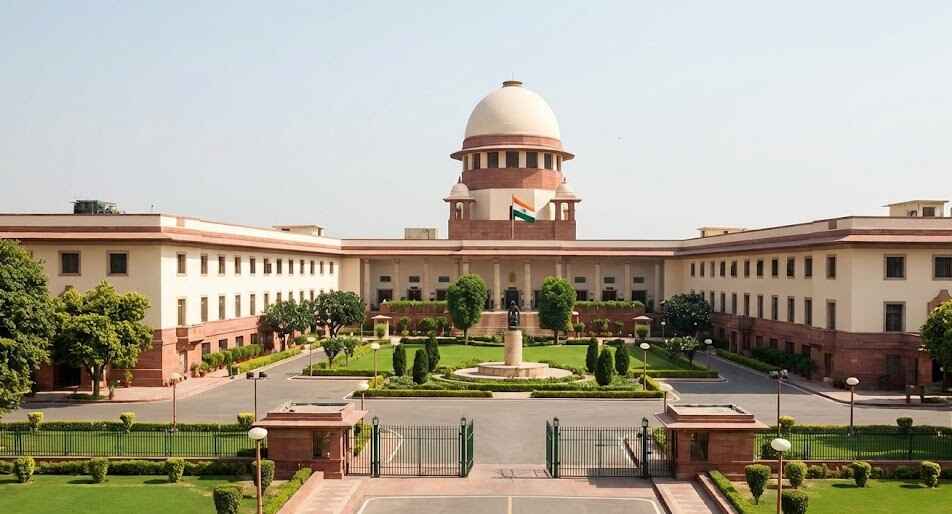
The Supreme Court has dismissed a plea filed by the Telangana government seeking to reopen a phone-tapping case involving former minister T. Harish Rao and certain police officials, thereby upholding an earlier decision of the Telangana High Court. The apex court found no sufficient grounds to interfere with the High Court’s ruling, effectively closing the government’s attempt to revive the case.
The matter relates to allegations of illegal phone surveillance during the previous administration, with claims that senior political figures and officials were subjected to unauthorised monitoring. The High Court had earlier declined to permit further proceedings in the case, citing procedural and legal shortcomings.
Challenging that decision, the state government approached the Supreme Court of India, arguing that fresh material warranted a re-examination. However, the apex court rejected the plea, reinforcing the High Court’s assessment and bringing legal finality to the issue.
Legal observers note that the ruling underscores the judiciary’s insistence on due process and evidentiary standards, particularly in sensitive cases involving surveillance and political accountability. The decision also carries political significance, as the allegations had earlier triggered intense debate in Telangana’s political circles.
With the Supreme Court’s refusal to reopen the case, the legal proceedings related to the phone-tapping allegations stand concluded unless new and independent grounds emerge through separate investigations.


Ram Charan’s Newborn Twins Named Shiva Ram And Anveera Devi

Delhi Schools Receive Bomb Threats; Police and Bomb Squads Deployed Across City

Suryakumar Yadav Holds Firm as India Recover From Early Collapse

Dhurandhar Dominates Theatres: A Winning Streak Bollywood Can’t Ignore

HYDRAA Recovers Public Land Worth ₹2,500 Crore from Encroachers in Major Crackdown

Tollywood Actor Varun Tej and Lavanya Tripathi Spotted With Newborn Son Vaayuv at Hyderabad Airport
-
 Entertainment2 months ago
Dhurandhar Dominates Theatres: A Winning Streak Bollywood Can’t Ignore
-
 Hyderabad2 months ago
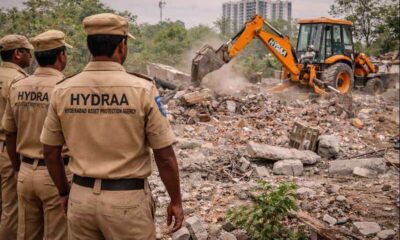
HYDRAA Recovers Public Land Worth ₹2,500 Crore from Encroachers in Major Crackdown
-
 Hyderabad2 months ago
Tollywood Actor Varun Tej and Lavanya Tripathi Spotted With Newborn Son Vaayuv at Hyderabad Airport
-
 Telangana1 month ago
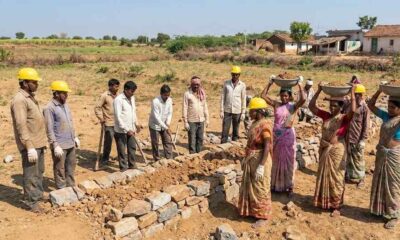
Telangana Govt Plans Major Boost to Rural Employment Scheme for 2026
-
 Entertainment2 months ago
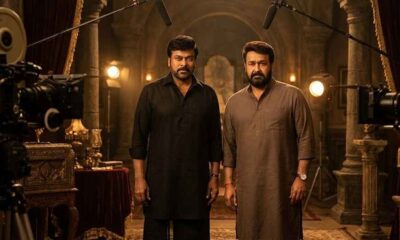
Historic Collaboration: Chiranjeevi and Mohanlal Join Hands for Major Pan-India Project
-

 Entertainment2 months ago
Sehwag Praises Tollywood, Calls Mahesh Babu and Allu Arjun His Favourite Stars
-

 Business2 months ago
Axis Bank Rolls Out New Digital Loan Product to Support MSME Cash Flow
-

 Entertainment2 months ago
Tollywood Buzz: Allu Arjun and Trivikram Reportedly Planning Massive Mythological Film