
India
India Services PMI Slips Below Growth Threshold in December

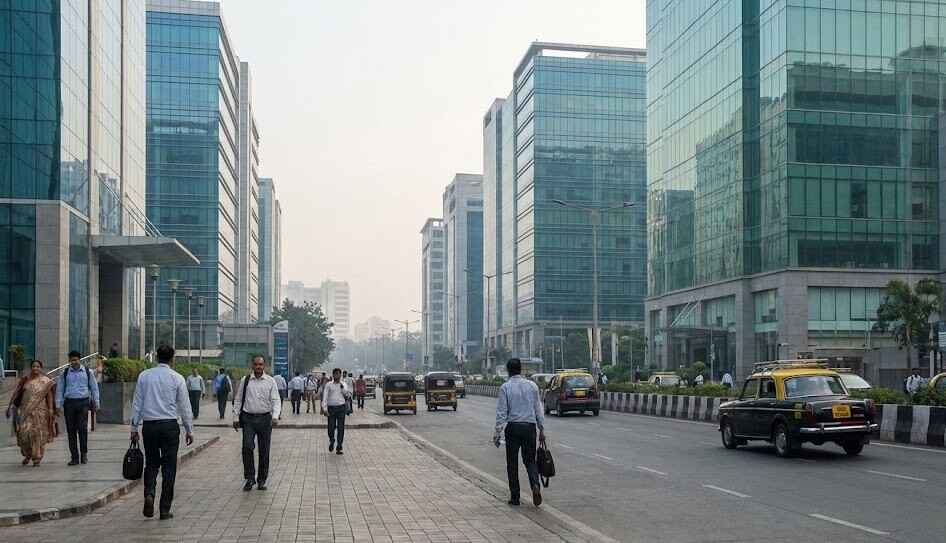
India’s services sector showed signs of slowing momentum in December, as the Markit Services Purchasing Managers’ Index (PMI) slipped below the growth threshold, indicating subdued expansion. The latest data suggests that activity in key service segments such as hospitality, retail, transport, and business services softened toward the end of the year.
According to economists, the dip reflects weaker demand conditions, cautious consumer spending, and lingering global uncertainties that have affected new orders and business confidence. While some service providers reported stable operations, others pointed to rising input costs and slower client acquisition.
The PMI falling below the expansion mark is seen as a signal of moderation rather than contraction, with analysts noting that seasonal factors and year-end adjustments may have contributed to the slowdown. However, they also stress the need for close monitoring in early 2026 to assess whether the trend continues.
The services sector plays a crucial role in India’s overall economic performance, contributing significantly to employment and GDP. Any prolonged weakness could have wider implications for consumption and growth.
Policy experts believe that supportive fiscal measures, stable inflation, and improved consumer sentiment could help the sector regain momentum in the coming months.
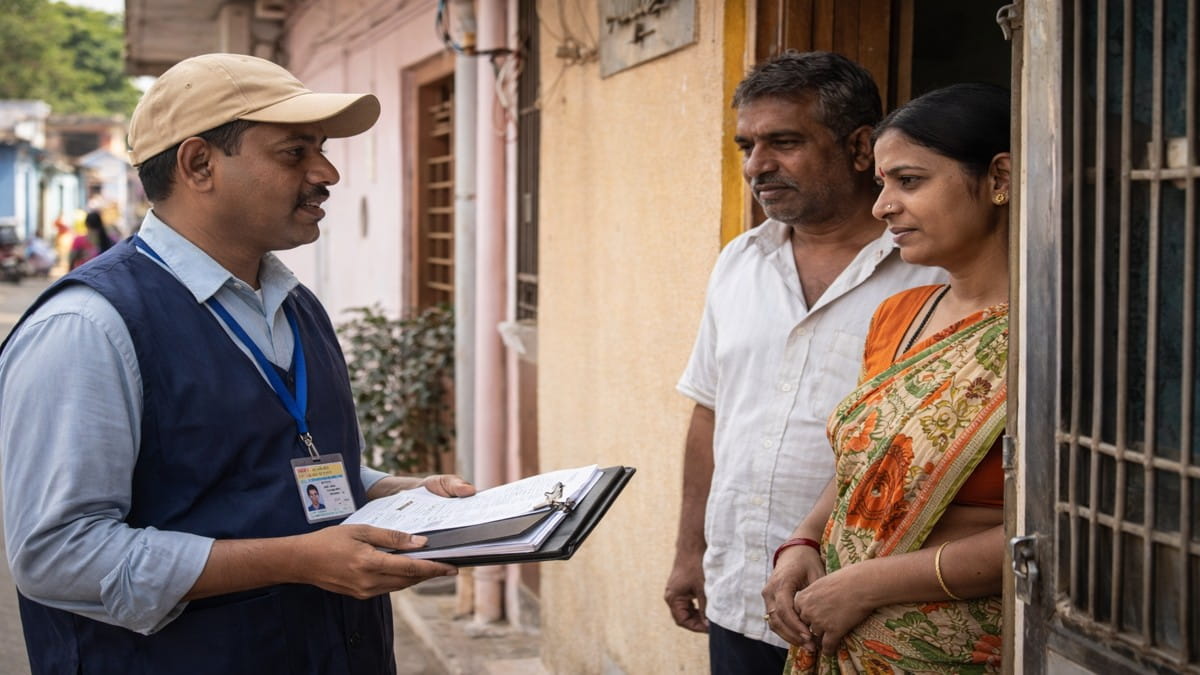
Preparations for Census 2027 have officially begun, with authorities announcing the commencement of the house-listing phase ahead of the full population enumeration scheduled later this year. The initial phase will involve collecting basic information about housing conditions, amenities, and household assets across the country.
Officials said the house-listing exercise is a crucial preparatory step that helps streamline the main census process. Enumerators will visit households to gather preliminary data, which will later support the broader demographic survey covering population, employment, education, migration, and other socio-economic indicators.
The census, conducted once every ten years, plays a central role in policy planning, allocation of resources, and implementation of welfare schemes. Updated population data is also used for administrative planning, urban development, and constituency delimitation exercises.
Authorities have indicated that digital tools and upgraded data collection systems may be used to enhance accuracy and efficiency during the upcoming enumeration. Training sessions for enumerators are expected to be rolled out in phases.
Experts note that accurate census data is vital for shaping long-term economic, social, and infrastructure strategies. With rapid urbanisation and demographic shifts underway, the 2027 exercise is expected to provide important insights into India’s evolving population landscape.
Further guidelines regarding timelines and field operations are expected to be issued by the Ministry of Home Affairs in the coming months.
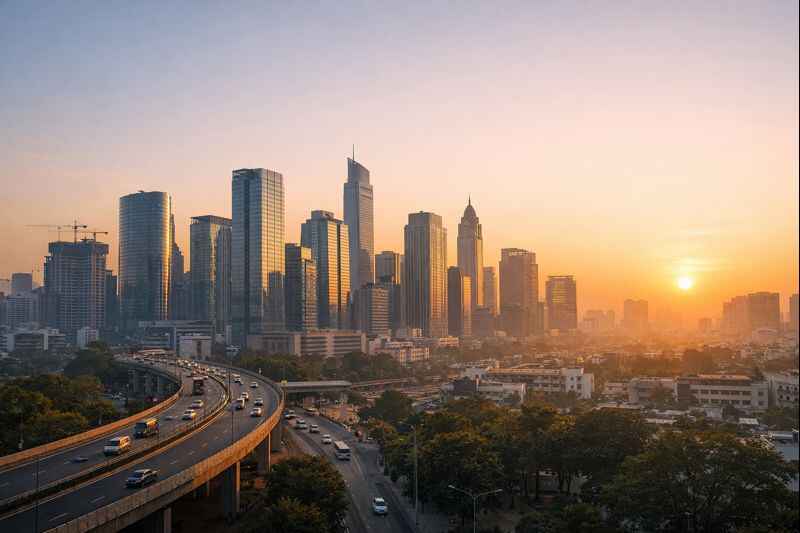
India is on track to become the world’s third-largest economy, according to discussions at the World Economic Forum (WEF) in Davos, where global leaders and business executives highlighted the country’s sustained growth momentum and expanding investment base. Strong domestic demand, policy reforms, and rising capital inflows were cited as key drivers supporting India’s upward economic trajectory.
At the forum, policymakers pointed to rapid expansion in sectors such as electric vehicles, renewable energy, digital infrastructure, and advanced manufacturing as evidence of structural transformation within the economy. India’s push toward green energy transition and large-scale digital adoption has also strengthened its attractiveness to global investors.
Economists note that India’s consistent GDP growth rates, coupled with demographic advantages and infrastructure spending, have positioned it ahead of several developed economies in overall output rankings. Continued focus on manufacturing, innovation, and financial stability is expected to further consolidate its standing in the coming years.
Industry leaders at Davos emphasised that India’s scale, market size, and reform momentum make it one of the most significant growth engines in the global economy. However, they also stressed the need for sustained investment in skills, job creation, and ease of doing business to maintain long-term competitiveness.
If current trends continue, India is projected to overtake other major economies and secure the third spot globally in terms of GDP in the near future, marking a significant milestone in its economic evolution.

India’s luxury fashion influence is rapidly expanding on the global stage, with leading designers, heritage craftsmanship, and contemporary creative talent gaining unprecedented recognition at international events and across major brand collaborations. From couture runways to premium fashion showcases, Indian aesthetics are no longer treated as niche — they are now shaping mainstream luxury narratives.
Over the past year, several renowned designers from India have featured prominently at prestigious fashion galas, luxury exhibitions, and red-carpet events worldwide. Traditional elements such as intricate hand embroidery, zardozi, chikankari, Banarasi weaves, and handloom textiles are being re-interpreted with modern silhouettes, making Indian craftsmanship both culturally rich and globally relevant.
International luxury houses are increasingly collaborating with Indian creators, artisans, and boutiques to incorporate handcrafted detailing and sustainable textile work. This surge in interest also highlights India’s role as a vibrant design powerhouse, combining heritage artistry with innovation, sustainability, and premium quality.
Industry observers say that the rise of Indian fashion coincides with the country’s expanding economic influence, growing luxury consumer base, and the global shift toward authenticity and cultural storytelling. With celebrities, influencers, and fashion icons proudly showcasing Indian-designed outfits across global platforms, the momentum is only expected to grow stronger.
India’s fashion identity is no longer limited to traditional representation — it is evolving into a commanding presence in luxury couture, international branding, and global design leadership.


Ram Charan’s Newborn Twins Named Shiva Ram And Anveera Devi

Delhi Schools Receive Bomb Threats; Police and Bomb Squads Deployed Across City

Suryakumar Yadav Holds Firm as India Recover From Early Collapse

Dhurandhar Dominates Theatres: A Winning Streak Bollywood Can’t Ignore

HYDRAA Recovers Public Land Worth ₹2,500 Crore from Encroachers in Major Crackdown

Tollywood Actor Varun Tej and Lavanya Tripathi Spotted With Newborn Son Vaayuv at Hyderabad Airport
-
 Entertainment2 months ago
Dhurandhar Dominates Theatres: A Winning Streak Bollywood Can’t Ignore
-
 Hyderabad2 months ago
HYDRAA Recovers Public Land Worth ₹2,500 Crore from Encroachers in Major Crackdown
-
 Hyderabad1 month ago
Tollywood Actor Varun Tej and Lavanya Tripathi Spotted With Newborn Son Vaayuv at Hyderabad Airport
-

 Telangana1 month ago
Telangana Govt Plans Major Boost to Rural Employment Scheme for 2026
-

 Entertainment2 months ago
Sehwag Praises Tollywood, Calls Mahesh Babu and Allu Arjun His Favourite Stars
-

 Business2 months ago
Axis Bank Rolls Out New Digital Loan Product to Support MSME Cash Flow
-

 Entertainment2 months ago
Historic Collaboration: Chiranjeevi and Mohanlal Join Hands for Major Pan-India Project
-

 Entertainment2 months ago
Tollywood Buzz: Allu Arjun and Trivikram Reportedly Planning Massive Mythological Film